Anberlin, Emery, and Watashi Wa Deliver a Night of Nostalgia in Columbia, SC
Anniversary tours have become a major part of today’s concert scene, but sometimes the right lineup comes together and creates something that feels bigger than simple nostalgia. That was the case on May 28, 2026, when Anberlin, Emery, and Watashi Wa stopped at The Senate in Columbia, South Carolina.
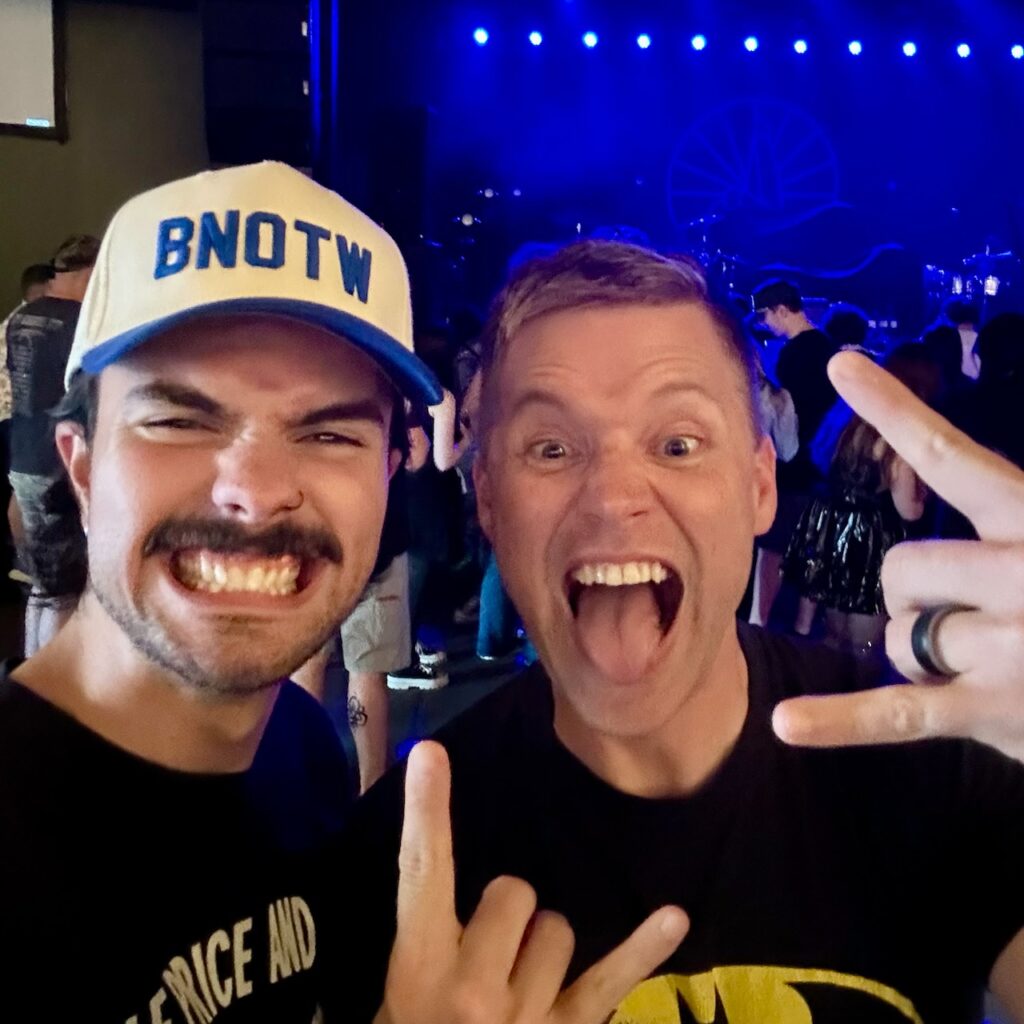
I attended the show with Joshua Gilmore, Joshua Thomas, Joey Noyes, and my son Max, which made the night even more memorable. Concerts are always about the music, but they are also tied to the people you experience them with and the memories attached to them years later.
Watashi Wa opened the evening and immediately reminded fans why their return matters. This was the band’s first tour in a long time, and there was a noticeable excitement from the crowd to see them active again. Fans sang along throughout the set, showing that the band’s music has continued to connect with listeners even during their long absence from touring. The performance carried a positive and heartfelt energy that set the tone for the rest of the night.
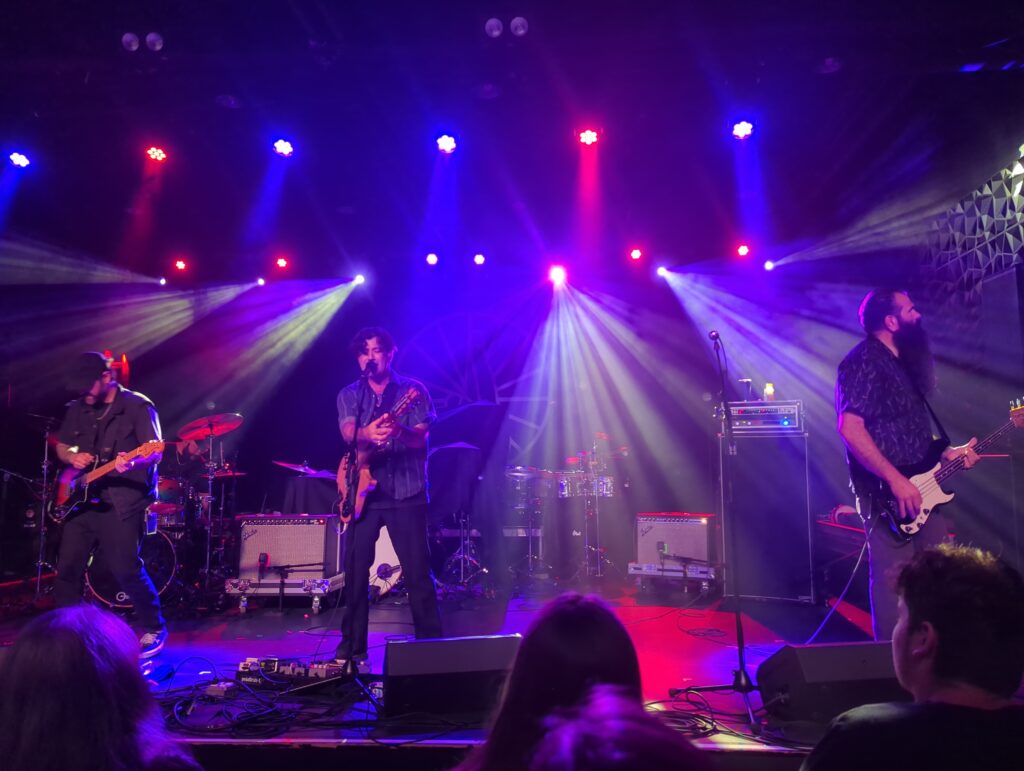
Emery followed with a shorter but high-energy set that quickly turned the venue into controlled chaos. The band has always balanced melody and aggression well, and that chemistry was on full display live. Their closing song, “Walls,” became one of the biggest moments of the night. The crowd instantly erupted into a massive mosh pit, creating more pit action during that one song than the entire rest of the concert combined. Fans screamed every word while bodies collided across the floor in classic post-hardcore fashion.
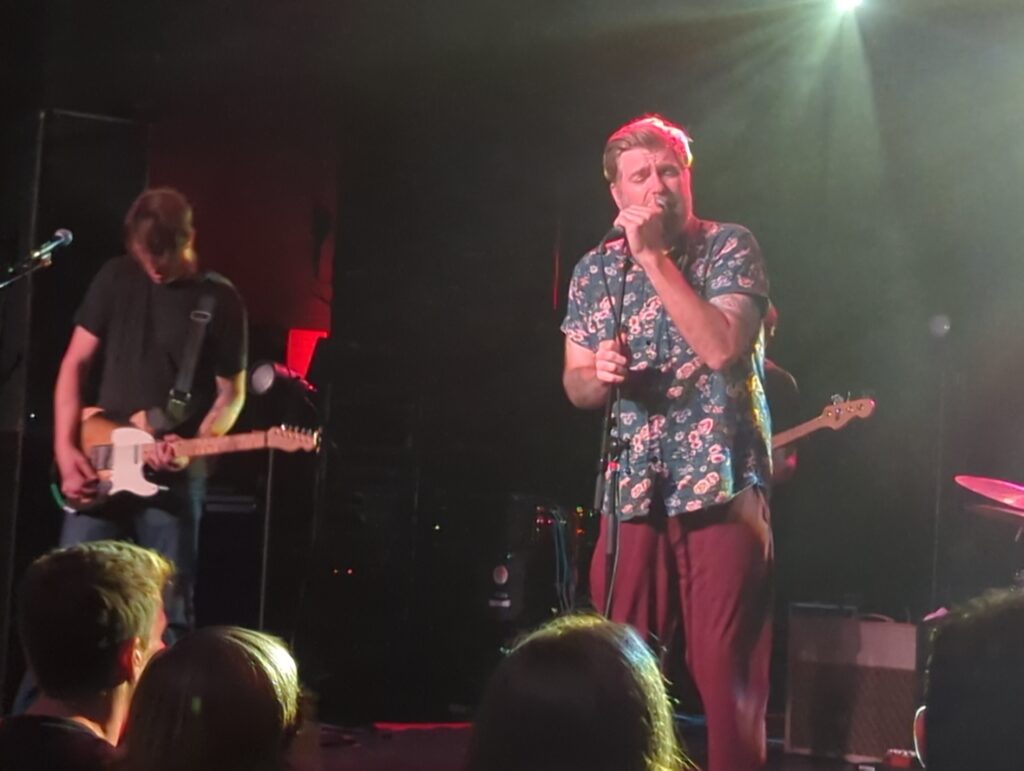
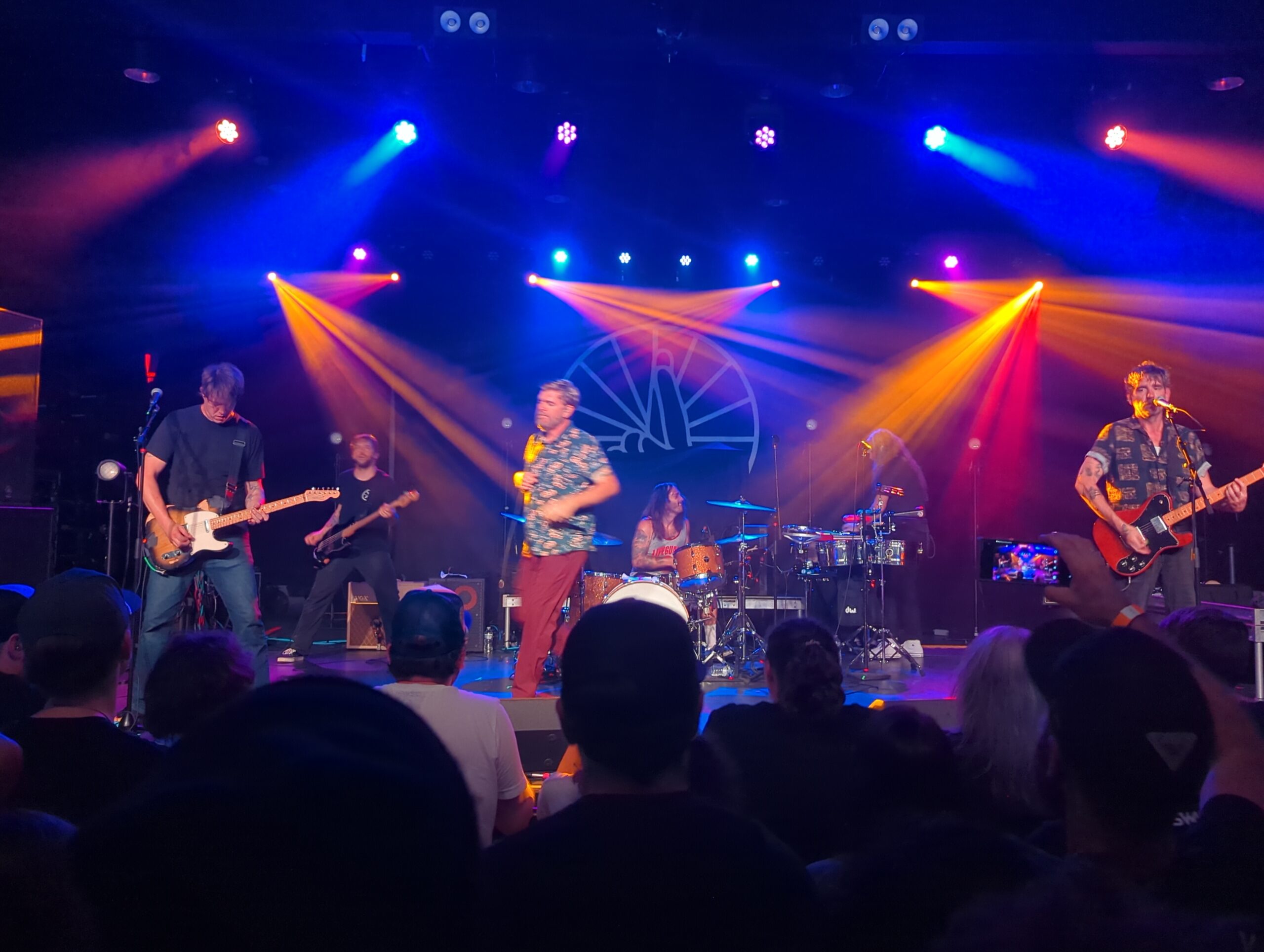
The night closed with Anberlin performing on the twentieth anniversary tour for Never Take Friendship Personal. Surprisingly, this was my first time ever seeing the band live, and they did not disappoint. Much of the attention surrounding the current version of Anberlin has centered around Matty Mullins taking over vocal duties, and after seeing the performance firsthand, it is easy to understand why he was chosen.
Mullins faces the difficult task of stepping into a role strongly associated with Stephen Christian, but he handled it extremely well. What stood out most was his vocal versatility. He has the range necessary for the melodic and harmonized style of Anberlin while still maintaining the intensity fans know from his work with Memphis May Fire. Rather than feeling like a replacement trying to imitate the past, Mullins helped the performance feel both respectful to Anberlin’s history and fresh at the same time.
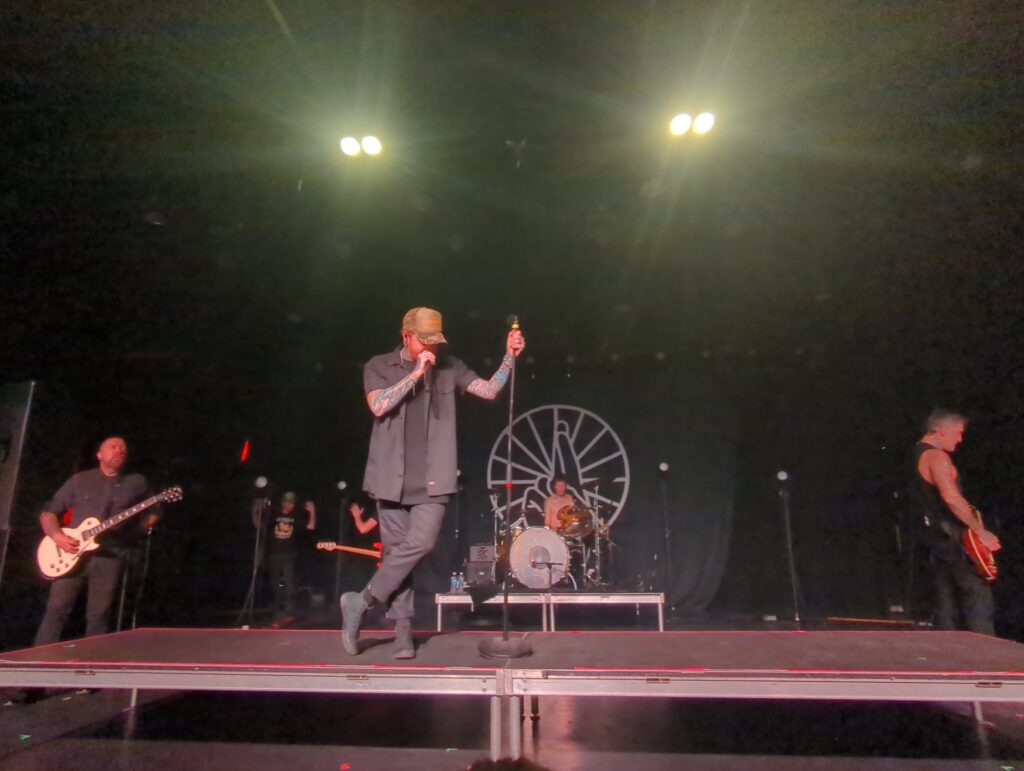
During the show, I also found myself reflecting on The Senate itself and how certain venues become connected to different seasons of life. This was the third memorable concert I can remember attending there. The first was Stretch Arm Strong performing the twentieth anniversary tour for Rituals of Life. The second was P.O.D.’s twentieth anniversary tour for Satellite. Now this Anberlin anniversary tour joins that list. It is interesting how venues can quietly become part of your personal music history over time.
Overall, this was an outstanding night of live music filled with nostalgia, energy, and appreciation from both the bands and the audience. Watashi Wa’s long-awaited return, Emery’s explosive ending with “Walls,” and Anberlin’s anniversary celebration all combined to create a concert experience that reminded fans why these bands still continue to matter decades later.