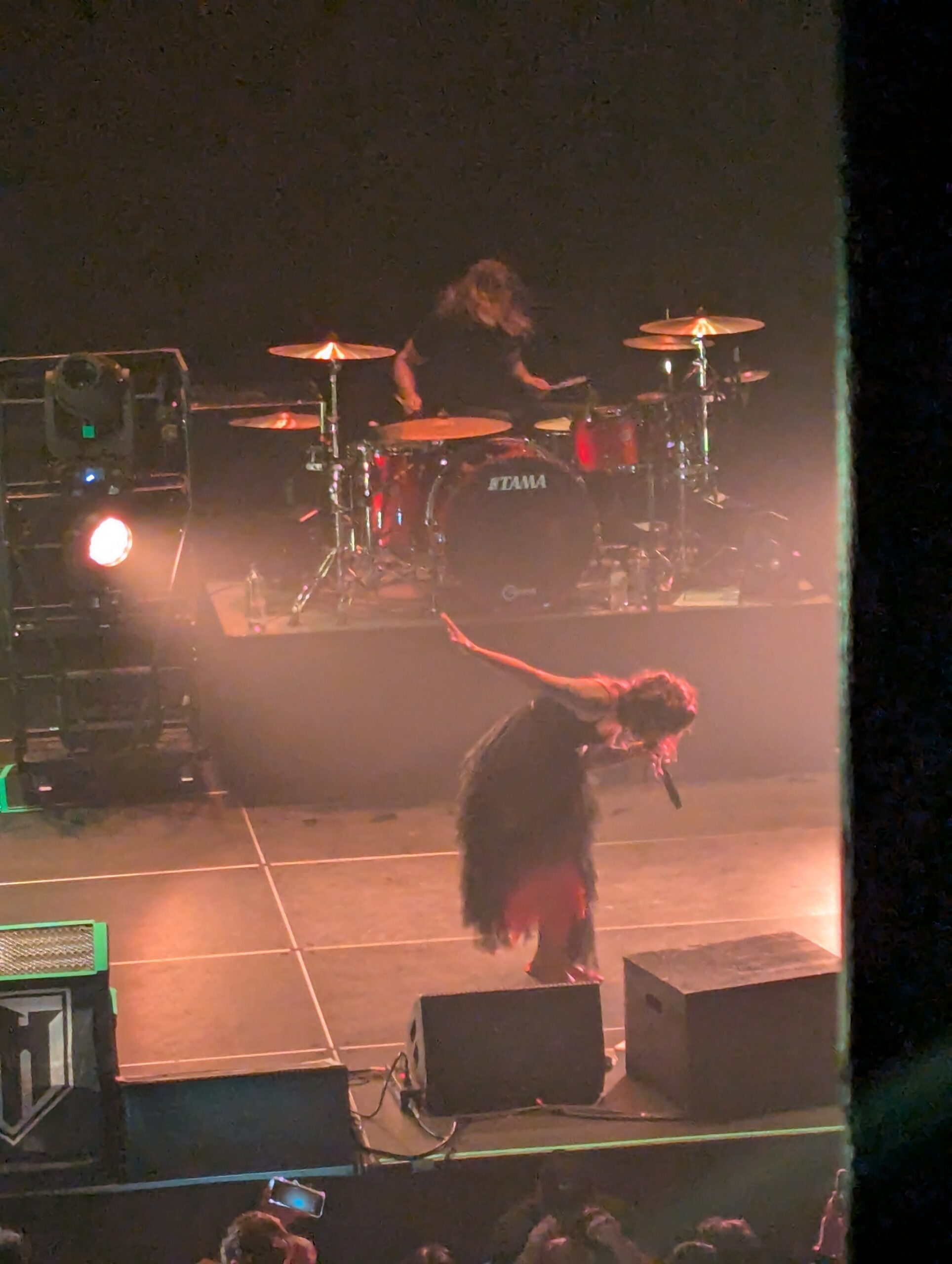
Flyleaf with Lacey Sturm 20th Anniversary Tour

.

Tabernacle – Atlanta, Georgia
July 8, 2026

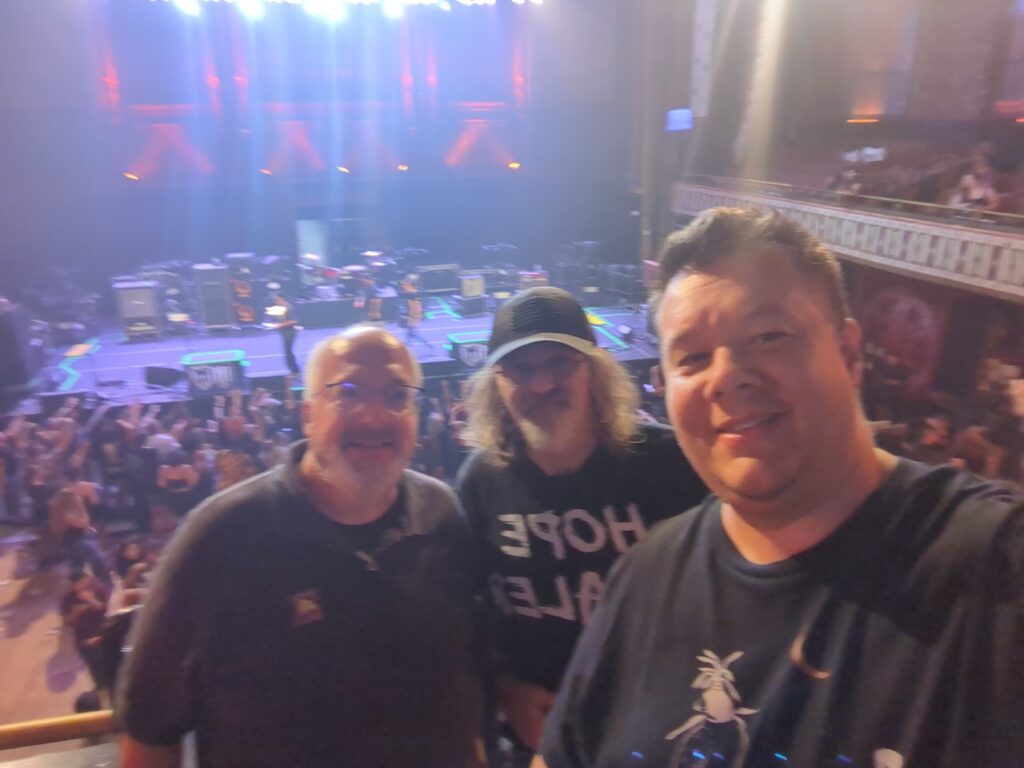
The Tabernacle remains one of my favorite venues, with excellent acoustics and a setting that always makes a show feel special. I made the trip with two of my regular concert buddies, Brian Tanguay and Steve Morse, and this was my first time seeing all three bands on the bill.

Heal The Hurt made the most of a short opening set. I had interviewed Trevor Tyson about a year ago and had met him at a Cleansing of the Temple and With Blood Comes Cleansing show in Greenville, so it was good to finally catch the band live. Trevor spoke between songs about hope, reminding the crowd that they are loved and not alone. That message matched the band’s performance, which was energetic, heartfelt, and strong enough that my friends actually preferred them over Wolves at the Gate that night.
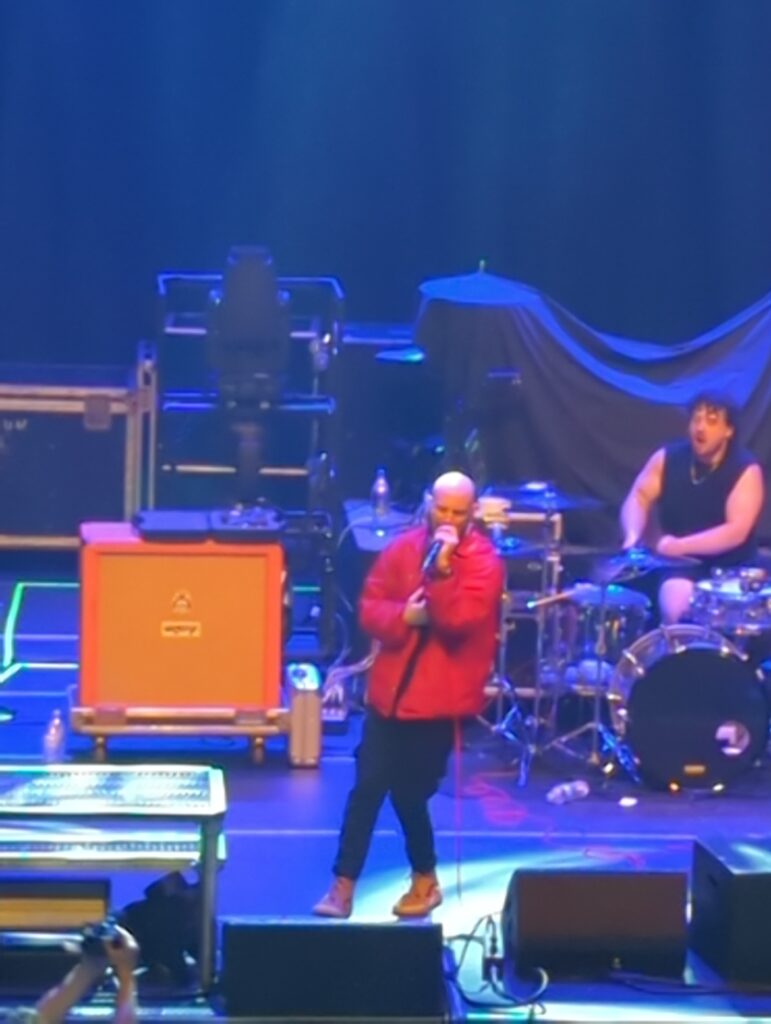
Wolves at the Gate delivered exactly what you would expect from a veteran Christian metalcore band. Their mix of screams and clean vocals hit hard, and their set kept the energy moving. The frontman worked the stage constantly and did a great job engaging the crowd, while the band continued to show why they have set such a high standard for heavy music with substance.
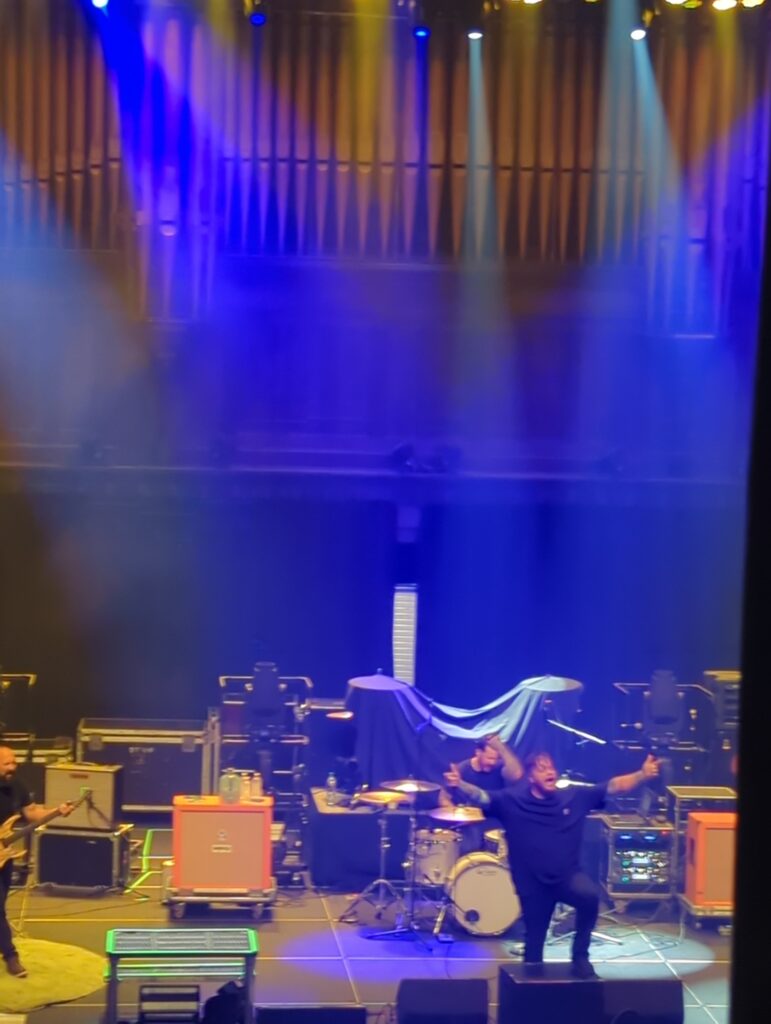
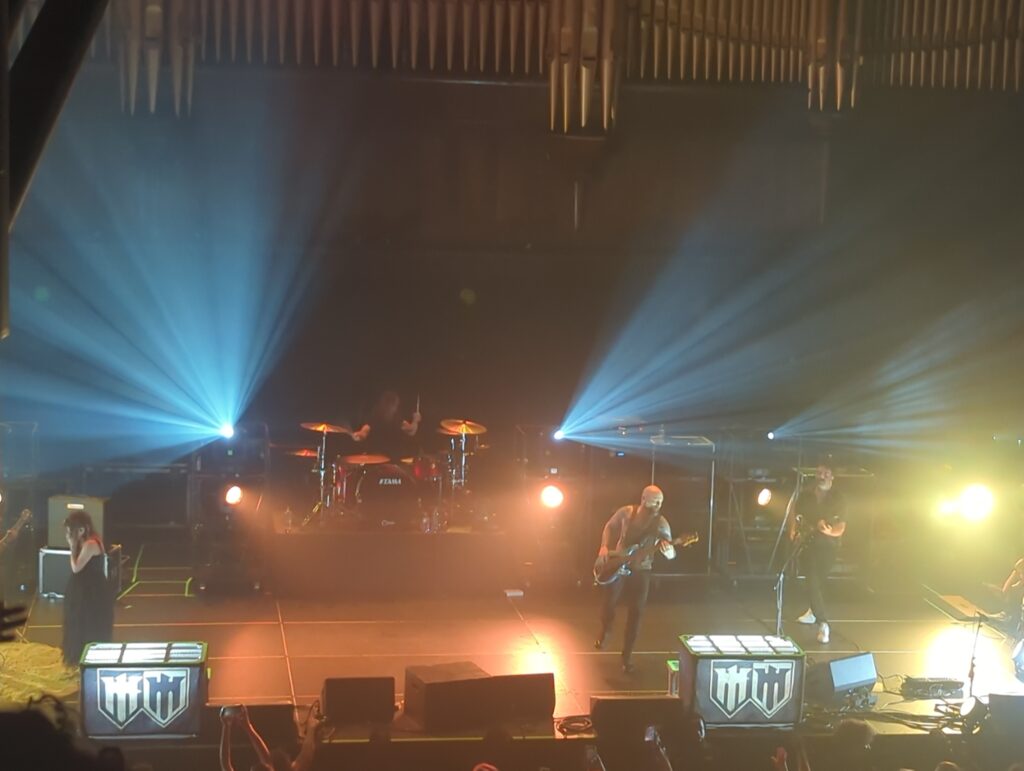
This was my first time seeing Flyleaf, and getting to see them with Lacey Sturm made it even more memorable. The band is celebrating the 20th anniversary of its self-titled debut album, and there was a real sense that Atlanta was witnessing something special as the first night of the tour. Before Flyleaf took the stage, “The Red” by Chevelle blasted through the PA in tribute to their late sound engineer Rich Caldwell, a meaningful moment that gave the opening even more weight.

Flyleaf’s set mixed nostalgia, emotion, and gratitude. Lacey spoke openly about hope and reminded the packed room that they are loved and not alone, and it came across as sincere rather than rehearsed. One of the biggest moments of the night was hearing “This Close” played live for the first time ever. She also shared how thankful she was that Sameer Bhattacharya was able to be there after recovering from a motorcycle accident. Meanwhile, Pat Seals brought nonstop energy on bass, and the whole band looked fully locked in.

Songs like “All Around Me,” “I’m So Sick,” and “Fully Alive” had the crowd moving, while “Cassie” and “Sorrow” brought plenty of singalongs. Flyleaf’s catalog has clearly held up, and this lineup still knows how to connect with a crowd.
After the show, it was good to see Cindy Blankenship, aka The Mothership, another familiar face from several concerts this year. It was a fitting end to a memorable night and a strong opening date for Flyleaf’s anniversary run.
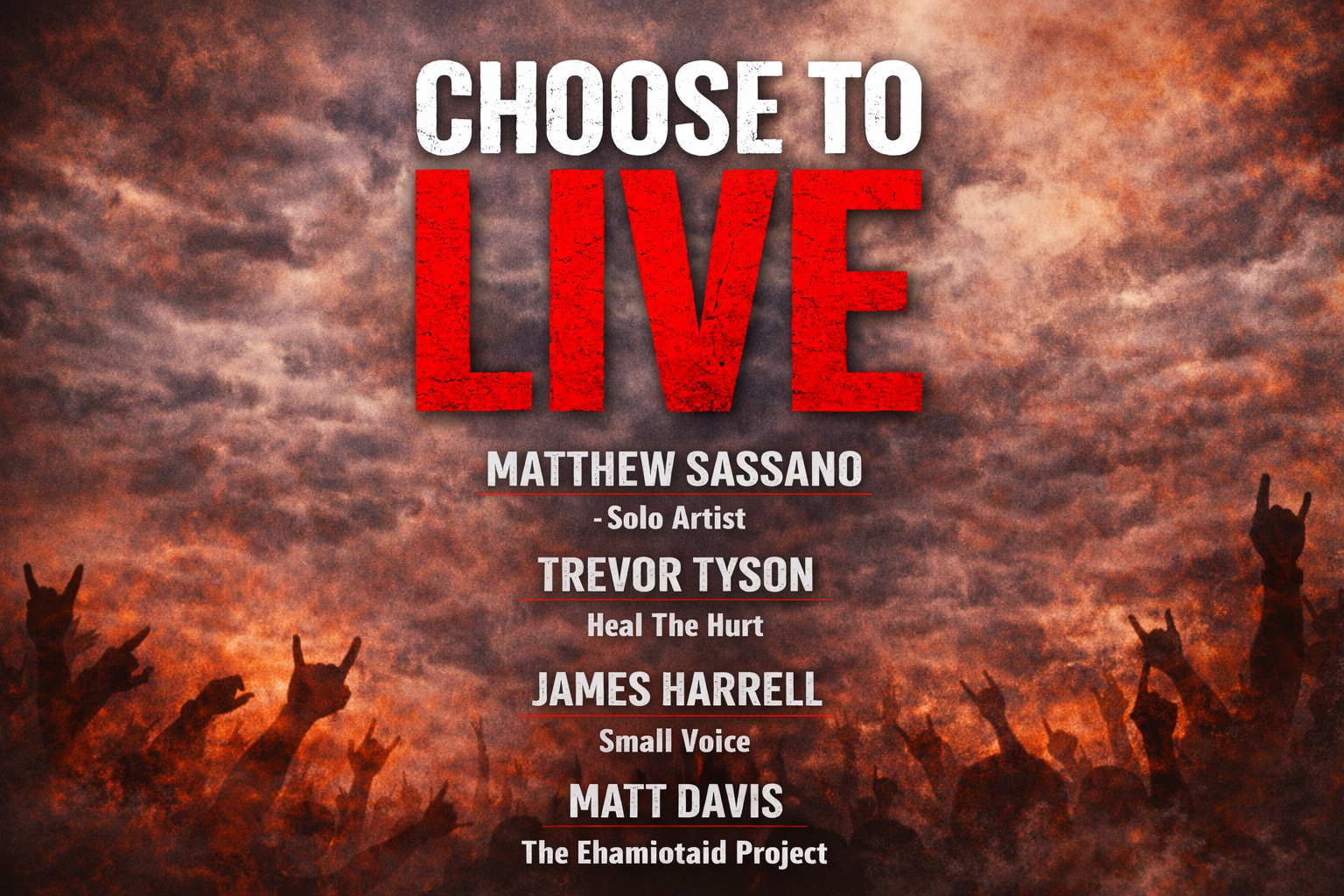
Choose to Live

Mental Health Conversations in the Christian Heavy Music Scene

Mental health has become one of the most important conversations happening in the Christian rock and metal community. For years, heavy music has provided a space where people can be honest about anxiety, depression, trauma, and doubt.

Bands like August Burns Red, Memphis May Fire, Wolves at the Gate, Islander, and Demon Hunter have helped bring those struggles into the open through their music and their conversations with fans.

One phrase that has begun to resonate throughout the scene is #choosetolive — a reminder that even in the darkest moments, choosing to stay and keep fighting matters.

Several artists and advocates from the Christian heavy music community recently shared their thoughts about mental health, faith, and supporting the people who connect with their music.


Honesty in the Struggle

For Trevor Tyson of Heal the Hurt, learning to recognize mental health struggles was a turning point.

“Awareness has become one of the greatest tools in my life. You cannot heal what you refuse to acknowledge.”

Life on the road and in a band can be rewarding, but it can also be emotionally demanding.

“Band life is both beautiful and demanding.”

To help manage that pressure, his band has made openness a priority.

“We have built a culture in Heal The Hurt where honesty is normal. If someone is struggling, we talk about it. Brotherhood is not pretending everything is fine. Brotherhood is making sure no one carries weight alone.”


Creativity and Mental Health

For James, anxiety became a reality at eighteen after experiencing a severe panic attack. Since then, he has learned to manage it through faith and practical habits.

“Honestly, what helps me most that I’ve noticed is diet, and sleep,” he explains.

At the same time, emotional struggles often fuel his songwriting.

“During those times is when I’m the most creative… almost like my body wants to release whatever is happening.”

His album Testimonies reflects many of those experiences, exploring doubt, grief, and faith.

“As a Christian, I tie the hope of Christ into it as best I can.”

For James, the message behind #choosetolive is simple.

“#choosetolive for me means to never give up the fight.”


Turning Pain Into Purpose

Christian solo artist Matthew Sassano has built much of his music around confronting difficult topics like anxiety, abuse, and identity.

“A large portion of my catalog centers around mental health or related struggles,” Sassano says.

He believes faith and professional help can work together rather than compete.

“Counseling, accountability, routines, and prayer aren’t in competition with each other — they’re meant to work together.”

Through performances at recovery events, prisons, and outreach festivals, he has seen how universal these struggles are.

“What I’ve learned is that pain is universal.”


Breaking the Stigma

For Matt Davis, founder of The EHAMIOTAID Project, the biggest barrier to healing is often silence.

“Know, acknowledge, and accept that you have mental health issues,” Davis says.

His work encourages people to talk openly about what they are facing and seek help when needed.

“Come out of hiding. To come out of denial and into acceptance is a great place for healing to begin.”


Choosing to Live

Mental health struggles affect people everywhere, including the Christian music community. What makes this scene unique is the willingness of artists to talk honestly about those struggles and encourage others to seek help.

As Trevor Tyson reminds people who may feel alone:

“You are not too far gone.”

Sometimes the most powerful step a person can take is simply choosing to stay.

Choose to live.